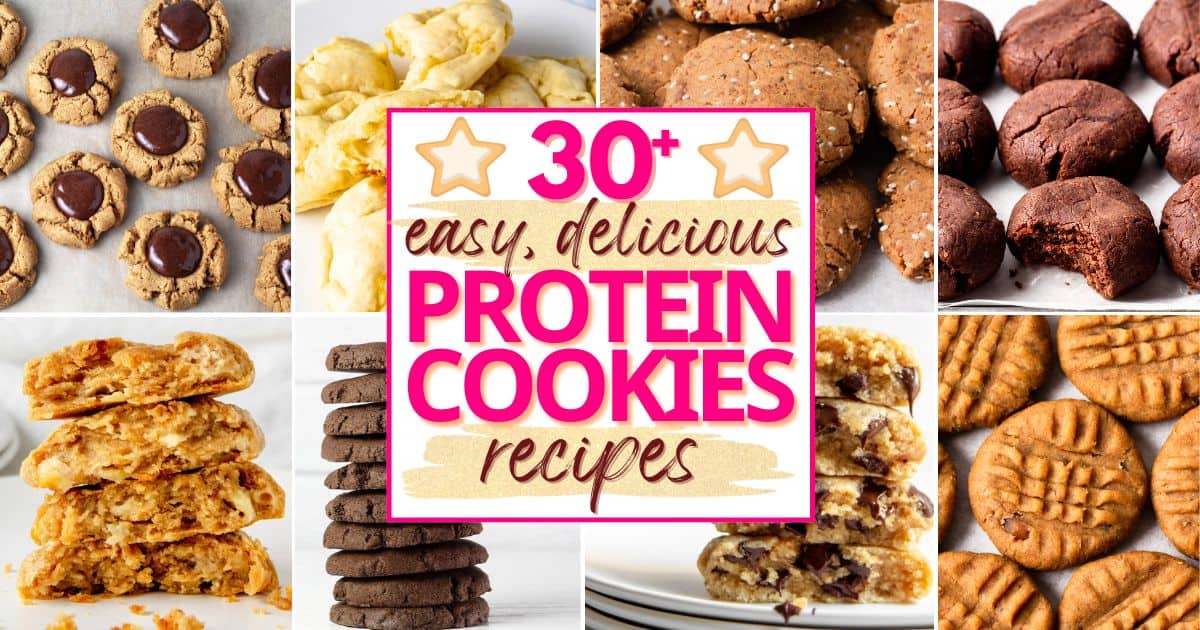
Mastering Protein Powder Cookies: From Basic Batch to Gourmet Goodness
You've discovered the magic of combining your favorite protein supplement with the joy of a freshly baked treat. Protein powder cookies have transformed how many fitness enthusiasts and health-conscious individuals approach their snacks, offering a delicious way to meet protein goals without sacrificing flavor. But once you've tackled the basics, what's next? This article, the second in our series, dives deeper, exploring creative variations, common pitfalls, and how to tailor your homemade protein cookies to virtually any dietary need. Get ready to elevate your protein powder cookie game!
Beyond the Basic Batch: Creative Protein Powder Cookie Variations
While a classic chocolate chip or peanut butter protein cookie is always a winner, the world of protein powder cookies is incredibly diverse. Experimenting with different protein types, flavor profiles, and exciting add-ins can transform your routine snack into a gourmet experience.
Exploring Protein Types and Their Impact
- Whey Protein: Often the go-to, whey is excellent for texture but can sometimes dry out cookies if not balanced with enough moisture. It's versatile and comes in many flavors.
- Casein Protein: Known for its slower digestion, casein often yields a softer, more cake-like texture in protein powder cookies due to its higher water absorption. It can make cookies feel more substantial.
- Plant-Based Protein (Pea, Rice, Soy, Hemp): These options are fantastic for vegans or those avoiding dairy. Pea protein is particularly good for baking, offering a relatively neutral flavor. Plant proteins can sometimes create a slightly denser cookie, so adjust liquids accordingly.
Unleashing Flavor Creativity
Don't limit yourself to vanilla or chocolate! Think outside the box:
- Fruity & Zesty: Lemon poppy seed, orange cranberry, blueberry almond. Use fresh zest and freeze-dried fruit for bursts of flavor.
- Spiced Delights: Pumpkin spice, gingerbread, snickerdoodle (cinnamon sugar coating), chai latte. Spices can mask any subtle protein aftertaste.
- Nutty & Rich: Almond butter swirl, pistachio dark chocolate, hazelnut mocha. Pair your protein powder cookies with different nut butters for new dimensions.
- Seasonal Specialties: Peppermint bark for winter, key lime for summer, apple cinnamon for autumn.
Exciting Add-Ins for Texture and Taste
Beyond chocolate chips, consider:
- Nuts & Seeds: Walnuts, pecans, almonds, chia seeds, flax seeds, sunflower seeds. These add healthy fats, fiber, and a satisfying crunch.
- Dried Fruits: Raisins, cranberries, chopped apricots, dates. A natural sweetness boost.
- Specialty Chips: White chocolate chips, butterscotch chips, sugar-free chocolate chips.
- Other Goodies: Shredded coconut, sprinkles (for fun!), puffed rice cereal for an extra crunch.
Troubleshooting Common Protein Powder Cookie Conundrums
Even seasoned bakers encounter challenges, and working with protein powder introduces unique variables. Here’s how to troubleshoot common issues with your homemade protein powder cookies, ensuring every batch is a success.
1. Dry, Crumbly, or Too Stiff Cookies
This is arguably the most frequent complaint. Protein powder is highly absorbent, and too much of it (or not enough liquid/fat) can lead to a desert-dry cookie.
- Solution: Adjust Ratios. Start by slightly reducing the protein powder and increasing a liquid ingredient (milk, plant milk, applesauce, pumpkin puree) or a healthy fat (nut butter, avocado puree, coconut oil).
- Tip: Measure Precisely. Baking is a science. Use a digital scale to measure your protein powder and flour for consistent results. A scoop of protein powder can vary wildly in weight depending on how packed it is.
2. Cakey, Chewy, or Rubber-Like Texture
While some prefer a cakey cookie, others aim for a chewier, more traditional cookie texture. A rubbery result can be unpleasant.
- Solution for Cakey: You might be overmixing, which develops gluten (even in gluten-free flours to some extent) or incorporates too much air. Mix until just combined. Also, ensure you haven't used too much baking soda or powder.
- Solution for Chewy/Rubbery: This can often be linked to overbaking or the specific type of protein powder. Experiment with shorter baking times, and consider switching to a different brand or type of protein if issues persist. Casein tends to yield a softer cookie, while some plant proteins can lead to a denser, chewier result.
3. Unpleasant Aftertaste
Some protein powders, especially those with artificial sweeteners or certain flavorings, can leave an odd aftertaste.
- Solution: Quality Matters. Invest in high-quality protein powders, ideally naturally sweetened or unsweetened.
- Flavor Masking: If stuck with a less-than-ideal protein, strong flavors like cocoa powder, coffee, cinnamon, vanilla extract, or citrus zest can help mask the aftertaste.
4. Cookies Spreading Too Much or Not Enough
The ideal protein powder cookie holds its shape but doesn't turn into a hockey puck.
- Spreading Too Much: Too much fat or liquid, or not enough flour/protein. Chilling the dough for 20-30 minutes before baking can also help prevent excessive spreading.
- Not Spreading Enough: Often linked to overly dry dough. Refer back to solutions for dry, crumbly cookies (increase liquid/fat).
Tailoring Your Protein Powder Cookies to Specific Dietary Needs
One of the greatest advantages of making protein powder cookies at home is the ability to customize them to fit specific dietary requirements, making them accessible to almost everyone.
Gluten-Free Protein Powder Cookies
Most protein powder cookies are inherently low in gluten if they rely heavily on protein powder and minimal flour. To ensure they are truly gluten-free:
- Use Certified Gluten-Free Flours: Opt for almond flour, coconut flour, oat flour (certified GF), or a gluten-free all-purpose blend.
- Check Protein Powder Label: Ensure your protein powder is certified gluten-free, as cross-contamination can occur during processing.
Dairy-Free & Vegan Protein Powder Cookies
Easily achievable with a few thoughtful substitutions:
- Plant-Based Protein Powder: Use pea, rice, soy, or hemp protein.
- Dairy-Free Milk: Almond, soy, oat, or coconut milk work perfectly.
- Vegan Fat Sources: Nut butters, coconut oil, avocado oil, or vegan butter.
- Egg Substitutes: For recipes calling for eggs, use flax eggs (1 tbsp ground flaxseed + 3 tbsp water, let sit 5 mins), chia eggs, or commercial egg replacers.
- Dairy-Free Chocolate: Look for vegan chocolate chips or chunks.
Low-Carb & Keto-Friendly Protein Powder Cookies
For those managing carbohydrate intake, protein powder cookies can be a fantastic, guilt-free treat.
- Low-Carb Flours: Almond flour and coconut flour are your best friends here.
- Sugar Substitutes: Erythritol, stevia, monk fruit, or xylitol are excellent choices for sweetness without the carbs.
- Protein Powder: Choose a protein powder with minimal added sugars or carbs. Unflavored or naturally sweetened varieties are usually best.
- Healthy Fats: Ensure plenty of healthy fats like nut butters, coconut oil, or butter (if not dairy-free) to keep them satisfying and moist.
Smart Storage and Enjoyment Tips for Your Protein Powder Cookie Creations
Once you’ve perfected your batch of protein powder cookies, you'll want to ensure they stay fresh and delicious. Proper storage is key, and knowing how to best enjoy them can enhance your experience even further.
Keeping Your Cookies Fresh
The way you store your protein powder cookies directly impacts their longevity and taste:
- Airtight Container: This is non-negotiable. An airtight container prevents them from drying out or absorbing external odors.
- Room Temperature: Most protein cookies can be stored at room temperature for 3-5 days, especially if they don't contain highly perishable ingredients. Keep them away from direct sunlight or heat.
- Refrigeration: If your cookies contain ingredients like fresh fruit, cream cheese, or for extended freshness (up to a week), the refrigerator is a good option. Make sure they are still in an airtight container to prevent them from drying out.
- Freezing for Long-Term: For batches you want to last longer (up to 2-3 months), individual freezing is ideal. Place cooled cookies on a baking sheet to freeze solid, then transfer them to a freezer-safe bag or container. Thaw at room temperature or gently warm in a microwave or oven.
Creative Ways to Enjoy Your Protein Cookies
These aren't just for post-workout!
- Pre or Post-Workout Fuel: The classic use case. Provides sustained energy or aids muscle recovery.
- Healthy Snack: A perfect pick-me-up between meals, curbing hunger and providing nutrients.
- Guilt-Free Dessert: Satisfy your sweet tooth without derailing your health goals. Warm them slightly for an extra indulgent feel.
- Breakfast on the Go: Pair with a coffee or smoothie for a quick and balanced start to your day.
- Crumbled Topping: Crumble over yogurt, oatmeal, or a smoothie bowl for added crunch and protein.
- Protein Ice Cream Sandwich: For an ultimate treat, sandwich a scoop of high-protein ice cream or Greek yogurt between two larger protein powder cookies.
Remember, while these cookies are a healthier alternative, moderation is still important. Enjoy them mindfully as part of a balanced diet.
Conclusion
From troubleshooting common baking blunders to unleashing your inner pastry chef with creative flavor combinations and accommodating diverse dietary needs, this journey into protein powder cookies proves just how versatile and rewarding they can be. By understanding the nuances of different protein types, mastering baking techniques, and confidently adapting recipes, you’re now equipped to create protein cookies that are not only packed with goodness but also perfectly suited to your taste and lifestyle. So go ahead, bake another batch, experiment with confidence, and savor the delicious fusion of fitness and flavor.
